science share account_circle

Category: SciFun

  • Riddles

    Fun.. Solve these Riddles…

    -When the son of water returns to the parent, it dies. What is it?

    Ice


    -Many have heard it, but nobody has ever seen it. It will not speak back until spoken to. What is

    it?

    An echo


    -What is black when you buy it, red when you use it and grey when you throw it away?

    Charcoal

    There is a place where if even I stand up straight, I will still be considered sideways?

    The equator


    -What sleeps through the day and cries through the night? The more it cries, the more it creates

    light?

    Candle


    -Team ScienceNow

  • QUIZ

    Test your Grey matter…

    1) Potassium nitrate is used in _________

    1. Salt B. Fertilizer C. Medicine               D. Glass

    2) Which of the following has the smallest egg?

    1. Homo sapiens B. Ostrich C. Humming bird        D. Pigeon

    3)  X–rays cannot penetrate through a sheet of __________

    1. Aluminium B. Paper                   C. Lead                    D. Wood

    4) The purest form of carbon is _________

    1. Sugar charcoal B. Animal charcoal      C. Coconut charcoal    D. Wood charcoal

    5) The acid used in car battery is _________

    1. Nitric acid B. Citric acid              C. Sulphuric acid         D. Hydrochloric acid

    6) Bleaching powder is produced from- __________

    1. Calcium and Oxygen.
    2. Sodium, Hydrogen and Oxygen.
    3. Calcium, Oxygen and Chlorine.
    4. None of these.

    7) Which is not a rare gas? ___________

    1. Helium.
    2. Argon.
    3. Neon.
    4. Radon.

    8)Which is the allotrope of carbon? _____________

    1. Diamond.
    2. Gold.
    3. Silver.
    4. Copper.

    9)Amalgam is a mixture of metal with- _____________

    1. Mercury.
    2. Gold.
    3. Iron.
    4. None of these.

    10)The lightest and simplest atom is- ______________

    1. Oxygen.
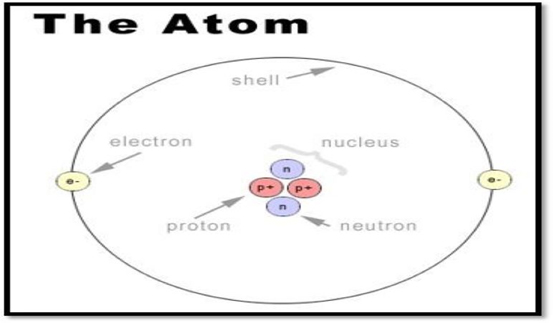
    2. Hydrogen.
    3. Nitrogen.
    4. Carbon dioxide.

    11) The gas usually filled in the electric bulb is ___________.

    1. Nitrogen
    2. hydrogen
    3. carbon dioxide
    4. Oxygen


    12) Which of the gas is not known as greenhouse gas?

    1. Methane
    2. Nitrous oxide
    3. Carbon dioxide
    4. Hydrogen

    13) The hardest substance available on earth is

    1. Gold
    2. Iron
    3. Diamond
    4. Platinum


    14) The average salinity of sea water is

    1. 3%
    2. 3.5%
    3. 2.5%
    4. 2%


    15) Heavy water is _____________

    1. deuterium oxide
    2. PH7
    3. rain water
    4. tritium oxide


    16) Artificial silk is prepared from ___________.

    1. Wood pulp
    2. Wool
    3. Synthetic fibres
    4. Phloem fibres


    17) Silviculture is study of __________.

    1. Fish rearing
    2. Planned forestry
    3. Garden plants
    4. Silkworm rearing


    18) The metal present in haemoglobin is _________.

    1. Magnesium
    2. Iron
    3. Copper
    4. Zinc


    19) _________ is used to produce artificial rain.

    1. Sand
    2. Silver iodide
    3. Silver nitrate
    4. Copper oxide


    20) Tannic acid is present in ________.

    1. Sour milk
    2. Tea
    3. Grapes
    4. Lemon

    -Team ScienceNow


    Answers

    1) C     2) A     3) D     4) A     5) C   6) C    7) D    8) A  9) A 10) B

    11) A  1 2) D  1 3) C  1 4) B  1 5) A  C 16) B 17) B  18) C   19) B 20) B

  • SCIENCE QUIZ

    Test your Grey matter…
    1. The BrahMos Missile was developed by which country?
    A. India
    B. India & China
    C. Russia
    D. India & Russia

    2. What is the purest form of Iron?
    A. Wrought iron
    B. Pig iron
    C. Cast iron
    D. None of the above

    3. Which is the most abundant gas in the earth's atmosphere?
    A. Oxygen
    B. Nitrogen
    C. Methane
    D. Hydrogen

    4. Which type of plastics can be recycled?
    A. Polyvinyl Chloride (PVC)
    B. Styrofoam
    C. Thermoplastics
    D. All of the above

    5. Which metal is a liquid at room temperature?
    A. Mercury
    B. Tin
    C. Lead
    D. Brass

    6. Which gas is found in soda water?
    A. Oxygen
    B. Argon
    C. Carbon dioxide
    D. Helium

    7. What is the speed of Earth around sun?
    A. 60 km/sec
    B. 90 km/sec
    C. 10 km/sec

    D. 30 km/sec

    8. Splitting of light into its constituent colours is known as what?
    A. Refraction
    B. Dispersion
    C. Frequency
    D. Prism

    9. Cotton fibres are made of ______.
    A. Cellulose
    B. Wax
    C. Fur
    D. Seeds

    10. Which historical victory achieved by a Spacecraft got Mars on its First try?
    A. Astrosat
    B. Chandrayaan
    C. Manglayaan
    D. Aryabhata

    11. Rate of growth of plant is measured by which instrument?
    A. Barometer
    B. Hygrometer
    C. Udometer
    D. Auxanometer

    12. The Ozone layer lies in the _______.
    A. Troposphere
    B. Biosphere
    C. Stratosphere
    D. Mesosphere

    13. Celsius and Fahrenheit show the same temperature at ______.
    A. 40
    B. 39
    C. 37
    D. 41

    14. ‘White Revolution’ is related to what?
    A. Cotton
    B. Milk
    C. Water
    D. Ice

    15. Hypertension is the term used for _______.
    A. Increase in heart rate
    B. Decrease in heart rate
    C. Decrease in blood pressure
    D. Increase in blood pressure

    16. What is the physical phase of life called?
    A. Protoplasm
    B. Cytoplasm
    C. Organelles
    D. None of the above

    17. Which among the following was first human-made plastic?
    A. Bakelite
    B. Polyethene
    C. Celluloid
    D. Nylon

    18. Amalgam’ is a term used for an alloy of a metal with ______.
    A. Copper
    B. Mercury
    C. Lead
    D. Aluminium

    19. Which is the largest blood vessel in the body?
    A. Alveoli
    B. Artery
    C. Vein
    D. Aorta

    20. The first synthetic fibre made by man was ______.
    A. Nylon
    B. Terycott
    C. Polyester
    D. Rayon

    21. Which of the below is water soluble vitamin?
    A. Vitamin C
    B. Niacin
    C. Riboflavin
    D. All of the above

    22. Radio Carbon Dating is use to estimate the age of ______.
    A. Monuments
    B. Fossils
    C. Rocks
    D. Soil

    23. The fastest growing plant is ______.
    A. Ashoka
    B. Banyan
    C. Eucalyptus
    D. Coconut

    24. Energy is measured in units called ______.
    A. Joules
    B. Newton
    C. Watts
    D. Ohm/mtr

    25. Ozone holes are more pronounced at the ______.
    A. Tropic of cancer
    B. Poles
    C. Equator
    D. Tropic of Capricorn
    – Team ScienceNow

    Answers
    1. D. 2. A. 3. B. 4. C. 5. A. 6. C. 7. D. 8. B. 9. A. 10. C.
    11. D. 12. C. 13. A. 14. B 15. D. 16. A. 17. C. 18. B. 19. D. 20. A.
    21. D. 22. B. 23. C. 24. A. 25. B.

  • BRAIN TEASERS

    Let’s try the interesting Brain Teasers…

    Q: Which university does a hippopotamus go to?

    A: Hippocampus


    Q: What is the difference between a dog and a marine biologist?

    A: One wags a tail and the other tags a whale.


    Q: What did Abacus say to the students?

    A: You can count on me!


    Q: What gas never cries?

    A: Nitrous Oxide (Laughing Gas)


    Q: How many software engineers does it take to change a light bulb?

    A: None. That’s a hardware issue.


    -Team ScienceNow

  • Riddle

    Q I can rush, I can be still, I can be hot, I can be cold, I can be hard, I can slip through almost anything. What am I?

    A Water


    Q Which four periodic elements, when combined, make up something that terrifies criminals?

    A Carbon, Oxygen, Phosphorous and Sulphur (C+O+P+S)


    Q What is neither water nor land, and is always soaking wet?

    A Wetlands


    Q Which two periodic elements, when combined, heal? Helium and Aluminium (HE + AL) It is impossible for me to be created, and I can never be destroyed, I can only change form. What am I?

    A Energy

    -Team ScienceNow

  • SCIENCE QUIZ

    Test your Grey Matter… Enjoy the Quiz….

    1. Vitamin provided by sunlight –
    a. Vitamin A   b. Vitamin B c. Vitamin C d. Vitamin D

    2. Which of the following is also called ‘stranger gas’?
    a. Argon b. Neon c. Xenon d. Nitrous oxide

    3. The hardest substance available on earth is –
    a. Gold b. Iron c. Diamond d. Platinum

    4. Non-stick cooking utensils are coated with ___________
    a. Teflon b. PVC c. black paint d. polystyrene

    5. Potassium nitrate is used in ____________
    a. medicine b. fertiliser c. salt d. glass

    6. What is the physical phase of life called?
    (a) Protoplasm (b) Cytoplasm (c)Organelles (d) None of the above

    7. Which is the smallest flightless bird?
    (a)Penguin (b) Kiwi (c) Ostrich (d) Rhea

    8. Which of the following is not a mixture?
    (a)Steel (b) Aluminium (c) Graphite (d) Glass

    9. Which science is sometimes called ‘central science’?
    (a)Physics (b) Chemistry (c) Biology (d) Geology

    10. Soda water contains ________
    (a) carbonic acid (b) sulphuric acid (c) carbon dioxide (d)nitrous acid

    11. What is most soluble in water?
    (a) camphor (b) sulfur (c) common salt (d) sugar

    12. Which of the gas is not known as a greenhouse gas?
    (a) Methane (b) Nitrous oxide (c) Carbon dioxide (d) Hydrogen

    13. What is laughing gas?
    (a) Nitrous Oxide (b) Carbon monoxide (c) Sulphur dioxide (d)Hydrogen peroxide

    14. The energy of food is measured in:
    (a)Calories (b) Celsius (c) Kelvin (d) None of the above

    15. Who is the main producer of our ecosystem?
    (a) Humans (b) Plant (c) Animals (d) Bacteria

    16 Proteins are made up of …….
    a. Sugars b. amino acids c. fatty acids d. nucleic acids

    17.Which mission of NASA brought first human to moon?
    a. Apollo program b. Gemini Program c. Mercury Program d. None

    18._________ are called the ‘soldiers of the body’.
    a. RBC b. WBC c. Proteins d. Bones

    19 Detergent is defined as __________.
    a. A liquid surfactant b. liquid soluble c. liquid solvent d. liquid solution

    20.Which of the following is the first calculating device?
    a. Abacus b. Calculator c. Turing Machine d. Pascaline

    21.Who among the following considered as the ‘father of artificial intelligence’?
    a. Charles Babbage b. Lee De Forest c. John McCarthy d. JP Eckert

    22.A Universal donor person have a blood group:
    a. A b. AB c. O d. B

    23. Which one of the following waves are used by the common TV remote control?
    a. Radio waves b. Lasers c. Infrared waves d. Ultrasonic waves

    24. An identity theft scheme in computer is known as?
    a. Vishing b. Fishing c. Jacking d. Phishing

    25. Numismatics is the study of:
    a. Coins b. Numbers c. Stamps d. Space

    -TEAM SCIENCENOW DIGITAL

    ANSWERS
    1.d, 2. C, 3. d, 4. a, 5. b, 6. a 7. b 8. c 9. b 10. c 11. d 12. d
    13. a 14. a, 15. b 16. b 17. a 18. b 19. a 20. a 21. c 22. c 23. C 24. d,
    25. a



  • Have fun… Solve this Riddle…

    RIDDLE

    SOLVE THIS

    Have fun… Solve this Riddle…

    -I can rush, I can be still, I can be hot, I can be cold, I can be hard, I can slip through almost anything. What am I?

    Water

    -Which four periodic elements, when combined, make up something that terrifies criminals?

    Carbon, Oxygen, Phosphorous and Sulphur (C+O+P+S)

    -What is neither water nor land, and is always soaking wet?

    Wetlands

    -Which two periodic elements, when combined, heal?

    Helium and Aluminium (HE + AL)

    -It is impossible for me to be created, and I can never be destroyed, I can only change form. What am I?

    Energy

    -Team ScienceNow

  • Believe it or NOT….

    Discover the Amazing Facts… True but hard to believe….

    -Sunglasses were invented by the Chinese as a way for judges to hide their emotions in the courtroom!

    -With a melting point of 85-degree Fahrenheit, you can turn a solid cube of Gallium into a liquid just by holding it in your hand!

    -The venom from a Golden Lancehead bite is so potent that it’s capable of melting human flesh!

    -After examining samples of a 15,000-year-old Tibetan glacier collected in 1992 and 2015, scientists discovered 28 never before seen virus groups

    -Team ScienceNow

  • Do you Know??

    Know the fascinating Facts….

    Why is DIAMOND the hardest substance on Earth

    Diamonds are incredibly hard because they have crystallized in a particular atomic shape after being subject to the effect of heat and pressure on Earth at a depth of 140 to 150 kilometres. This makes diamond the hardest mineral on earth and cannot be broken or cut easily. It is only possible by using another diamond.

    Why do FORMULA 1 driver lose weight

    The F1 drivers can lose up to three kgs weight after a race due to extreme heat in the cockpit of the vehicle. Hence, the drivers take in large amounts of water before the race, even if they do not feel thirsty, to avoid dehydration through sweating

    Why do we get HEATSTROKE

    Heatstroke is a condition caused by your body overheating, usually as a result of prolonged exposure to or physical exertion in high temperatures. This most serious form of heat injury – heatstroke, can occur if your body temperature rises to 104 F (40 C) or higher.

    Why do NEWSPAPERS turn yellow over time

    Paper is made from wood, which is made up mainly of white cellulose. Wood also has a lot of a dark substance in it called lignin, which ends up in the paper, too, along with the cellulose. The exposure of lignin to air and sunlight is what turns paper yellow.

    Why is SUN harsh in summer

    In the early morning and late evening, UV (ultraviolet) radiation is less strong because the rays have farther to travel to get to the Earth. But throughout the year, the sun’s angle varies with the seasons, so the strength of UV rays change, too. UV rays are strongest in the summer months.

    -Team ScienceNow


  • Ocean Currents Stops

    Ocean currents play a significant role in controlling climate around the globe. These currents act like a giant conveyor belt, warming and cooling parts of the Earth as water circulates. Melting ice caps, which can happen due to global warming, can cause ocean waters to circulate and have a drastic effect on climate…

    What are Ocean Currents ?

    Around the world, there are a number of ocean currents which have a serious impact on climate. For instance: The Gulf Stream in the Atlantic transports warm water with a high level of salinity and low density from equatorial regions further north on the ocean’s surface, warming countries such as the United Kingdom.

    The further north the water travels, the cooler it gets. Cold water becomes denser, falls further towards the bottom of the ocean and is carried back further south. This causes a continual ocean current in the North Atlantic.

    Global Warming

    Polar ice caps are beginning to melt due to global warming. Since ice caps are composed of freshwater, and if they continue to melt, it would bring down the level of salinity in the surrounding ocean waters. Changes in salinity levels could affect thermohaline currents by preventing water from achieving enough density to sink to the bottom of the ocean. More seriously, ocean currents could stop completely.

    Effects of Ocean Currents

    If ocean currents were to stop, climate could change drastically, especially in Europe and countries in the North Atlantic. In these countries, temperatures would drop, affecting humans as well as plants and animals. In turn, economies could also be affected, particularly those that involve agriculture. If these effects were to continue, Europe, North Atlantic countries and parts of North America could experience long periods of freezing conditions. Also, if ocean currents stopped because of climate change it will have many other affects associated with the globalwarming phenomenon.

    Earlier Phenomena

    Earlier evidence of rocks and ice have shown that ocean currents have indeed stopped for periods of time in history. One example can be found around 13,000 years ago when the warmth experienced at end of an ice age caused large masses of ice to melt into the sea.

    The resulting changes in water density stopped ocean currents from flowing and caused freezing conditions in some parts of the world for over 1,000 years.

    -Team ScienceNow