science share account_circle

Category: SciLearn

  • Do you know?

    Do you know?

    Why do we get PINS and NEEDLES?

    Most of us have gone through the phenomenon of legs turning numb as a consequence of sitting in a particular posture for a long time. The sciatic nerve controls and provides sensation to the muscles of our thighs, feet and legs. This nerve runs down from the hips to the legs. Anything that puts pressure on this nerve with prolonged sitting can hinder the nerve function or sensation of the lower legs. This hindering of the nerve function due to compression leads to feeling of pins and needles.

    Why do CLOUDS have weight?

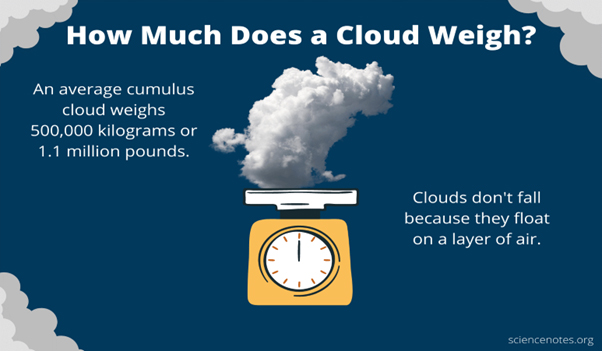
    According to scientists, the weight of the average cumulus cloud or puffy clouds that sometimes look like pieces of floating cotton is an incredible 500,000 kg! Think about that for a moment. This means that at any given moment, there are millions of litres of water floating above your head. That is equivalent to 100 elephants.

    Why are AIRPLANE windows round in shape?

    By curving the window, the stress that would eventually crack the window corner is distributed and the likelihood of it breaking is reduced. Circular shapes are also stronger and resist deformation, and can thus survive the extreme differences in pressure between the inside and outside of the aircraft.

    Why are TUNNELS round in shape?

    Digging round tunnels are not only convenient engineering-wise, but when you line them with concrete, it forms an arch, which is a strong shape to hold back the pressure from the surrounding dirt. Also, the machine that bores the holes are large boring-machines that uses a rotating mechanism. So, the holes they bore – like most drilled holes tend to be circular in shape.

    -Team, ScienceNow Digital


  • Do you know?

    Do you know?

    The incredible facts for you…

    Why is DIAMOND the hardest substance on Earth?

    Diamonds are incredibly hard because they have crystallized in a particular atomic shape after being subject to the effect of heat and pressure on Earth at a depth of 140 to 150 kilometres. This makes diamond the hardest mineral on earth and cannot be broken or cut easily. It is only possible by using another diamond.


    Why do NEWSPAPERS turn yellow over time?

    Paper is made from wood, which is made up mainly of white cellulose. Wood also has a lot of a dark substance in it called lignin, which ends up in the paper, too, along with the cellulose. The exposure of lignin to air and sunlight is what turns paper yellow.


    Why do we get HEATSTROKE?

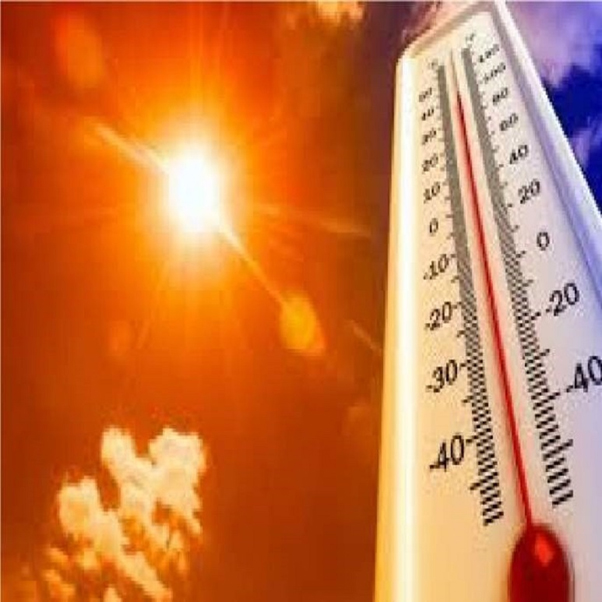
    Heatstroke is a condition caused by your body overheating, usually as a result of prolonged exposure to or physical exertion in high temperatures. This most serious form of heat injury – heatstroke, can occur if your body temperature rises to 104 F (40 C) or higher.


    Why do FORMULA 1 driver lose weight?

    The F1 drivers can lose up to three kgs weight after a race due to extreme heat in the cockpit of the vehicle. Hence, the drivers take in large amounts of water before the race, even if they do not feel thirsty, to avoid dehydration through sweating.


    Why is SUN harsh in summer?

    In the early morning and late evening, UV (ultraviolet) radiation is less strong because the rays have farther to travel to get to the Earth. But throughout the year, the suns angle varies with the seasons, so the strength of UV rays change, too. UV rays are strongest in the summer months.

    -Team ScienceNow

  • DO YOU KNOW?

    DO YOU KNOW?

    Enjoy the incredible facts…

    • Unless food is mixed with saliva you can’t taste it.
    • The average person falls asleep in 7 minutes.
    • Lemons contain more sugar than strawberries.
    • 8% of people have an extra rib.
    • An asteroid about the size of a car enters Earth’s atmosphere roughly once a year – but it burns up before it reaches us. Phew!
    • 85% of plant life is found in the ocean.
    • The first computer of the world, the ENIAC weighed around 27 tonnes and occupied an entire hall.
    • Like humans, plants recognize their siblings and give them special treatment.


    -Team ScienceNow

  • Solve This

    Solve This

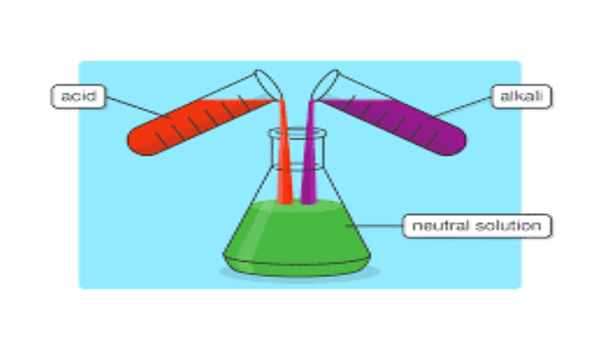
     A king once condemned a prisoner and wanted to give him a very harsh punishment. He keeps a glass containing some hydrochloric acid and another containing an equal amount of sodium hydroxide before the prisoner and asks him to drink both of them. The prisoner knows that the acid is highly corrosive and will destroy the mucous lining, as well as his oesophagus. The other solution is equally bad and will cause him to collapse. But he goes ahead and obeys the order. The king finds that the prisoner has survived without any ill effects.

    How did he manage it?

    Answer:

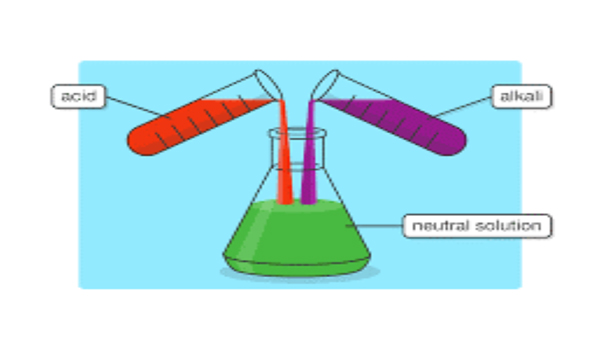
    The prisoner understood the chemical reactions well. He knew that an acid is always neutralized by an alkali. So he poured the liquids in the two glasses into a third empty glass. When they thus got mixed, they reacted producing salt and water. These were harmless, except for the salty taste!

    HCl + NaOH = H 2 O + NaCl

    -Team ScienceNow

  • Do you know?

    Some candid facts that will amaze you…

    Why is DIAMOND the hardest substance on Earth?

    Diamonds are incredibly hard because they have crystallized in a particular atomic shape after being subject to the effect of heat and pressure on Earth at a depth of 140 to 150 kilometres. This makes diamond the hardest mineral on earth and cannot be broken or cut easily. It is only possible by using another diamond.

    Why do NEWSPAPERS turn yellow over time?

    Paper is made from wood, which is made up mainly of white cellulose. Wood also has a lot of a dark substance in it called lignin, which ends up in the paper, too, along with the cellulose. The exposure of lignin to air and sunlight is what turns paper yellow.

    Why do we get HEATSTROKE?

    Heatstroke is a condition caused by your body overheating, usually as a result of prolonged exposure to or physical exertion in high temperatures. This most serious form of heat injury – heatstroke, can occur if your body temperature rises to 104 F (40 C) or higher.

    Why do FORMULA 1 driver lose weight?

    The F1 drivers can lose up to three kgs weight after a race due to extreme heat in the cockpit of the vehicle. Hence, the drivers take in large amounts of water before the race, even if they do not feel thirsty, to avoid dehydration through sweating.

    Why is SUN harsh in summer?

    In the early morning and late evening, UV (ultraviolet) radiation is less strong because the rays have farther to travel to get to the Earth. But throughout the year, the sun’s angle varies with the seasons, so the strength of UV rays change, too. UV rays are strongest in the summer months.

    -Team ScienceNow

  • Science Teaser

    Try this Science Teaser….

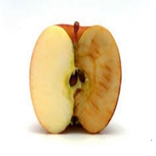
    Nisha’s mother was packing her lunch box. She tried to put an apple in it. But the fruit was big. So, she cut it into two halves and placed it inside. At lunch time, when Nisha opened the box, she found that the apple had turned brown in colour. She thought, “Now I know why mummy says that apples contain iron.” How did Nisha come to that conclusion?

    Solution:

    The apple was cut open. So, the pulp inside was exposed to air. It had turned brown. Obviously, some ingredient in the apple pulp had undergone a chemical reaction with constituents of air. Oxygen which is a major component of air reacts easily with substances and forms oxides. The brown colour of the apple was due to iron oxide. It was thus easy for Nisha to conclude that the apple contains iron.

    -Team ScienceNow

  • Do you know?

    Know the incredible facts…

    Why do we get PINS and NEEDLES?

    Most of us have gone through the phenomenon of legs turning numb as a consequence of sitting in a particular posture for a long time. The sciatic nerve controls and provides sensation to the muscles of our thighs, feet and legs. This nerve runs down from the hips to the legs. Anything that puts pressure on this nerve with prolonged sitting can hinder the nerve function or sensation of the lower legs. This hindering of the nerve function due to compression leads to feeling of pins and needles.

    Why do CLOUDS have weight?

    According to scientists, the weight of the average cumulus cloud or puffy clouds that sometimes look like pieces of floating cotton is an incredible 500,000 kg! Think about that for a moment. This means that at any given moment, there are millions of litres of water floating above your head. That is equivalent to 100 elephants.


    Why are AIRPLANE windows round in shape?

    By curving the window, the stress that would eventually crack the window corner is distributed and the likelihood of it breaking is reduced. Circular shapes are also stronger and resist deformation, and can thus survive the extreme differences in pressure between the inside and outside of the aircraft.


    Why are TUNNELS round in shape?

    Digging round tunnels are not only convenient engineering-wise, but when you line them with concrete, it forms an arch, which is a strong shape to hold back the pressure from the surrounding dirt. Also, the machine that bores the holes are large boring-machines that uses a rotating mechanism. So, the holes they bore – like most drilled holes tend to be circular in shape.


    -Team ScienceNow


  • Solve This

    A king once condemned a prisoner and wanted to give him a very harsh punishment. He keeps a glass containing some hydrochloric acid and another containing an equal amount of sodium hydroxide before the prisoner and asks him to drink both of them. The prisoner knows that the acid is highly corrosive and will destroy the mucous lining, as well as his oesophagus.

    The other solution is equally bad and will cause him to collapse. But he goes ahead and obeys the order. The king finds that the prisoner has survived without any ill effects.

    How did he manage it?

    Answer:

    The prisoner understood the chemical reactions well. He knew that an acid is always neutralized by an alkali. So he poured the liquids in the two glasses into a third empty glass. When they thus got mixed, they reacted producing salt and water. These were harmless, except for the salty taste!

    HCl + NaOH = H 2 O + NaCl


    -Team ScienceNow

  • Experiment

    Make Some Ghost Bubbles

    Bubbles are cool, but bubbles filled with fog are even cooler. Ghost Bubbles are what you get when you fill a bubble with a ghostly carbon dioxide cloud. But Ghost Bubbles are truly magical because you can roll them on your hands, bounce them off your sleeve, and pop them to release the burst of fog. It’s the combination of science and performance art that will leave everyone awestruck

    Materials

    • 1 cup of dry ice
    • Insulated gloves for handling dry ice
    • 2 cups lukewarm water
    • 1 tbs. Liquid soap
    • Some water to mix with the soap
    • 1 rubber hose
    • 1 plastic nozzle
    • A jar with a hole in the lid to fit the hose
    • Safety glasses
    • Cotton towels for the bubbles to land on Bubbles are cool, but bubbles filled with fog are even cooler.

    PROCEDURE

    Step 1: Mix 1 tbs. liquid soap with water to your liking in a small container.

    Step 2: Get a jar that has a lid

    Step 3: Puncture a hole in it big enough to tightly fit the hose in it.

    Step 4: Take the rubber hose and place it in the punctured hole. If it fits loosely, use tape to make a good seal.

    Step 5: Place a plastic nozzle or something equivalent on the end of the rubber hose.

    Step 6: In the jar, add the water and then the dry ice.

    Step 7: Dip the nozzle in the soapy mixture. Step 8: Cap the lid and watch the bubbles form

    What’s happening ?

    Dry ice is carbon dioxide (CO2) in its solid form. At temperatures above -56.4 °C (-69.5 °F), dry ice changes directly from a solid to a gas, without ever being a liquid. This process is called sublimation. When dry ice is put in water it accelerates the sublimation process, creating clouds of fog that fill up your dry ice bubble until the pressure becomes too much and the bubble explodes. Dry ice is sometimes used as part of theatre productions and performances to create a dense foggy effect. It is also used to preserve food, freeze lab samples and even to make ice cream!

    Noel Fernandes

    Team ScienceNow Digital

  • Fun with Science

    Fun with Science

    Learn the Styrofoam breakdown technique…

    Aim:

    To break down Styrofoam using acetone Styrofoam is one of the most complex and difficult materials on earth when it comes to decomposition. But, believe it or not, there is a way to make an entire cup of Styrofoam vanish in a matter of seconds. It doesn’t involve fire, so there’s no acrid smoke released, either. It’s not actual magic, but knowing the science behind what takes place is quite awesome.

    Method:

    Please note that you have to do the experiment in a wellventilated room, wearing safety glasses and gloves. To carry out an experiment with Styrofoam and acetone, all you need is a large bowl or measuring glass. Pour the acetone into the container, then slowly add pieces of Styrofoam. You can use a large piece of Styrofoam, Styrofoam beads or even a Styrofoam cup. Another way of doing this is to pour acetone directly onto a piece of Styrofoam.

    What will happen?

    Styrofoam dissolves in acetone in a similar way to how sugar dissolves in water. It is a physical rather than a chemical reaction. The air in the foam leaves, and because Styrofoam consists mainly of air, when it dissolves in acetone it completely loses its structure. The acetone splits up the long chain of molecules, and the air disappears, causing the volume to shrink radically.

    Inference:

    The Styrofoam does not completely disappear, even though it looks like it has. Rather, the polystyrene molecules are actually present in the acetone solution. The reaction between Styrofoam and acetone shows how soluble this plastic is in an organic solvent and how much air is in Styrofoam

    Properties of Styrofoam

    Styrofoam is actually a trade name, used generically to describe polystyrene foam, a polymer made of a long chain of molecules. It is injected with gases during the manufacturing process and becomes extremely lightweight, with about 95 percent air. Styrofoam often makes up drink holders and insulating materials, as it is a poor conductor of heat.

    Properties of Acetone

    Acetone is an organic compound with the formula (CH3) 2CO. A colourless, flammable solvent, it mixes easily with water and evaporates quickly in air. It is popular in plastics manufacturing, industrial cleaning products and some household liquids, such as nail polish remover.

    -Team ScienceNow