
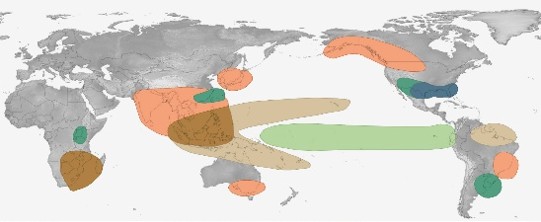
El Nino is a naturally occurring ocean-atmospheric phenomenon wherein warmer-than-normal ocean conditions along the equatorial Pacific Ocean prevail. According to the WMO, the intensity of El Nino is set to rise during the coming months.
El Nino significantly impacts India by warming the equatorial Pacific suppressing the moisture-laden southwest monsoon winds. This typically triggers below-average rainfall, widespread heatwaves, and prolonged dry spells, which collectively strain agriculture, lower water reservoir levels, and drive-up food inflation.
El Nino years in the past have seen extreme events. Over India, it has been generally associated with heatwave and below-average rainfall. The MET Department is projecting a significant impact on India. El Niño dampens the low-pressure systems that draw moisture-laden winds toward the Indian subcontinent. Historical patterns show that roughly half of all El Niño years result in monsoon droughts.
Nearly half of India’s farmland relies on monsoon rainfall, reduced precipitation impairs sowing and crop yields. The Ministry of Agriculture has highlighted vulnerable regions, deploying contingency plans in 150-200 critical districts to minimize harvest losses. Reduced rainfall depletes reservoir levels and groundwater recharge. This lowers hydropower generation while compounding electricity demand, pushing the energy grid to peak usage and straining thermal power resources.
The global forecasts suggests that the current El Nino is here to stay and extend till the end of this year, around when its peak intensity is expected to unfold. The developing El Nino could dampen the rainfall over India is the parallelly warming Indian Ocean.
Team, ScienceNow Digital