
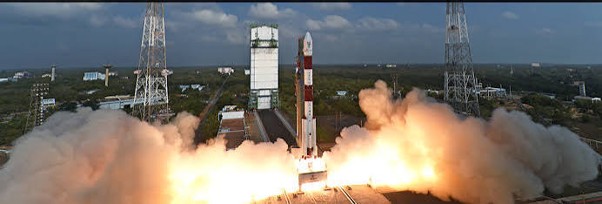
India’s space programme is entering a new phase in which ISRO, government agencies, start-ups and private industry increasingly work together across the space value chain. Reforms introduced in 2020 and the Indian Space Policy 2023 opened activities such as satellite development, launch vehicles and space-based services to non-government entities. IN-SPACe was established as the nodal agency to promote, authorise and supervise private participation.
The transition reached a significant milestone on 18 July 2026, when Skyroot Aerospace’s Vikram-I became the first privately developed Indian rocket to achieve an orbital launch from Indian soil.
ISRO says the changing structure is intended to complement, rather than replace, its role. The organisation will continue concentrating on advanced research, strategic missions, space science and next-generation technologies, while industry can scale mature technologies and commercial services.
With more than 440 space start-ups reported in 2026, India’s emerging public–private ecosystem is reshaping the country’s space industry and expanding opportunities for innovation, manufacturing and commercialisation.