science share account_circle

Author: sn_admin

  • Science Calendar – JULY

    Science Calendar – JULY

    Here is the Science Calendar…The Science that happened in this month…

    July 1: 1968 – The Nuclear non-proliferation treaty is signed in Washington, London and Moscow by sixty-two countries.

    July 2:  1698 – Thomas Savery patents the first steam engine

    July 3: 1886 – Karl Benz officially unveils the Benz Patent Motorwagen – the first purpose-built automobile.

    July 4: 1054 – A supernova is observed by the Chinese, the Arabs and possibly Amerindians near the star Tauri. For several months it remains bright enough to be seen during the day. Its remnants forms the Crab Nebula.

    July 6: 1885 – Louis Pasteur successfully tests his vaccine against rabies. The patient is Joseph Meister, a boy who was bitten by a rabid dog.

    July 7: 1989 – Warner Brothers copyright registered “Batman,” a movie based on a popular cartoon character.

    July 9: 1968 – US patent for the “Portable Beam Generator,” also known as a hand-held laser ray gun, was granted to inventor Frederick R. Schellhammer.

    July 10: 1962 – Telstar, the world’s first communication satellite is launched into orbit.

    July 14: 1965 – The Mariner 4 flyby of Mars takes the first close-up photos of another planet.

    July 15: 1985 – Aldus PageMaker, the first desktop publishing program, was first shipped for sale to consumers, invented by Paul Brainard.

    July 16: 1878 – Thaddeus Hyatt was granted a patent for reinforced concrete.

    July 17: 1962 – Nuclear testing – The “Small Boy” test shot Little Feller 1 becomes the last atmospheric test detonation at the Nevada Test Site.

    July 20: 1960 – The Polaris missile is successfully launched from a submarine, the USS George Washington, for the first time.

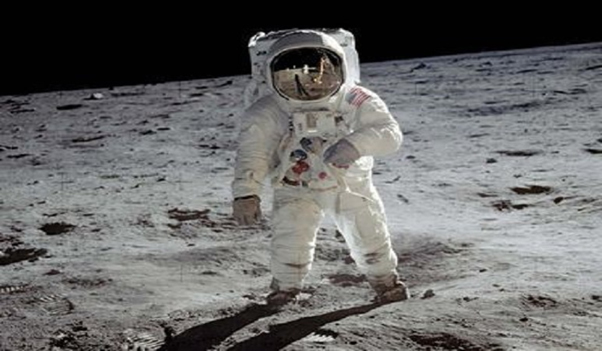
    July 21: 1969 – Neil Armstrong and Edwin Aldrin become the first men to walk on the Moon during the Apollo 11 mission.

    July 22: 1873 – Louis Pasteur received a patent for the manufacture of beer and treatment of yeast, which would later influence his discovery of the process known as pasteurization.

    July 25: 1837 – The first commercial use of an electric telegraph was successfully demonstrated by William Cooke and Charles Wheatstone between Euston and Camden Town in London.

    July 27: 1921 – Canadian scientists Frederick Banting and Charles Best first isolated insulin, and within a year, the first human sufferers of diabetes were receiving insulin treatments.

    July 30: 1933 – The Monopoly board game was copyright registered, and Carles Darrow, the inventor, became the first millionaire game designer after he sold his patent to Parker Brothers.

    -Team ScienceNow

  • STAR CHART JULY

    STAR CHART JULY

    This star chart is for early July  9 pm mid  July 8 pm and end July 7 pm .

    To use this chart, hold the star chart vertically , face any direction in the sky.

    Turn the star chart around so that the direction you are facing is at the bottom.

    Now, the stars shown at the bottom in the chart are the stars you will see in the sky .Dots represent stars.

    The larger the dot the brighter the star.

    Lines between stars are imaginary and aid location .

    Names of constellation are  along each side 

    Monthly phases

    Full moon

    21 July 2024 18:17

    Last quarter

    27 July 2024 22:52

    New moon

    05 July 2024 18:57

    First quarter

    13 July 2024 18:49


    -Suhas Naik-Satam

    Nehru Planetarium

  • AXIS TILT

    Bottom-line

    AXIS TILT

    Scientific American Magazine has recently reported that the earth axis has significantly tilted and the cause is stated to be the excessive pumping of Groundwater

    The net water lost from underground reservoirs between 1993 and 2010 is estimated to be more than 2 trillion tons. That has caused the geographic North Pole to shift at a speed of 4.36 centimetres per year

    The tilt of the axis on which any celestial object spins tends to be stable. But small changes can occur when large masses shift location inside a planet and on its surface.

    Gravitational surveys have measured the depletion of underground reservoirs, which is caused in large part by irrigation, especially in north-western India and North western America.

    The Earth has lost enough groundwater to thirsty humans to measurably tilt the planet’s axis of rotation.

    This effect causes the Earth’s geographic poles to wobble by up to several metres every year The tilting of the axis has major effect on climate too…

    -Dr Siddhivinayak Barve

    Editor, ScienceNow Digital

  • Editorial

    Editorial

    Greetings from ScienceNow Digital….

    This year the world is experiencing unprecedented impact of the climate Change.. On the one hand extreme heat.. on the other devastating floods… world over the situation is critical… the problem of potable water… agriculture… and now about the onset of monsoon is looming large…

    As we celebrate the World Environment Day this month, a thought should be given to the fact that the many problematic environmental situations can be looked as the opportunity.. Take for instance the solar technology.. When the world is heating up.. it is time to explore solar energy and the solar roads.. In this issue we carry the lead articles on harnessing the solar power… similarly the problem of water pollution can be combated by resorting to grey water technology to solve the menace of availability of water…

    June is the month when the academic institutions resume the next academic year.. the campuses come to life with the hustle – bustle… the exams, results and admissions routine begins.. The present issue contains the article on career prospects in choosing right career …

    As we march on with the mission of ScienceNow Digital to bring science to the masses, we must do conscious effort in communicating right science to the people.. We explore the Science Communication movement in India.. In the Present age, when science is growing, the reach to the society is limited… this is the mission of the ScienceNow … to take Science to the Masses…

    ScienceNow will be with more power packed material in the coming months… ScienceNow Digital will have a wider reach.

    ScienceNow Digital with its commitment to bring Science and Technology, will leap forward with your support, keeping up the promise of bringing out excellence in Science…

    Scientifically yours


    Dr Siddhivinayak Barve

    Editor,

    ScienceNow Digital

  • Editorial

    Editorial

    Greetings from Science Now Digital….

    It is summer Time… The weather is a bit more warmer.. the terrible heat.. and the temperatures are all time high.. it is an alarming situation…

    To speak of environment, the El Nino is here.. the warm air currents is the cause of adverse weather pattern.. Hot weather, never experienced before and paradoxically  the hailstorms in some regions is a strange Climate.. Proper care has to be taken to combat the ill effects of El Nino…

    ScienceNow Digital is committed to bring all such latest stories in most interesting way… Since we launched ScienceNow Digital  is settling in format… gaining momentum… connecting teens to Scientists providing science platform for networking… Science Now Digital is leaping ahead..

    Let us commit ourselves to face the future and ScienceNow Digital will unfold it for you…

    ..and that is the Promise…

    Scientifically yours


    Dr SiddhivinayakBarve

    Editor,

    ScienceNow Digital


  • Editorial

    Editorial

    Greetings from ScienceNow Digital….

    The impact of climate Change is visible all over the world… the unprecedented heat waves, wild fires, untimely rain and thunderstorms are devastating the life…

    In the month of April, we celebrate Earth Day… with the renewed commitment, year after year, towards protecting and preserving Plant Earth.. This planet is the heritage we have received from our ancestors and we have to preserve it for the future generations to come.

    This year’s Earth Day theme is ‘Planet vs Plastics’,… Plastic is becoming a major threat to life.. The problem of Micorplastic is of major concern. The microplastic is entering the vital systems of life… It is estimated that the total production of plastics in last decade is far more than the total plastic production in the last century.. It will have major consequences… The condition is critical.. The world organisations have given a call for reducing plastic production and making the world Plastic Free… all of us have to commit to this goal..

    ScienceNow Digital is geared up with commitment to bring Science to you. Besides regular features now several with new features like Science Funda, Science Fiction and many more …

    ScienceNow Digital with its commitment to bring Science and Technology to you, will leap forward with your support, keeping up the promise of bringing out excellence in Science…That is the promise…

    Scientifically yours

    Dr Siddhivinayak Barve

    Editor,

    ScienceNow Digital


  • Save Earth

    Save Earth

    ‘Planet Vs Plastics’

    Earth Day is celebrated every year to highlight the importance of protecting the environment and saving Planet Earth. The event began in 1970 in the United States, and is now marked around the world.

    Earth Day is celebrated on 22nd April every year and this year’s Earth Day theme is ‘Planet vs. Plastics’. It aims to raise awareness of the harmful effects of plastic pollution for human and planetary health.

    Plastic

    Plastics extend beyond an imminent environmental issues as it poses direct threat to human health

    It is a clarian call for the end of plastic for the sake of human and planetary health. The call is for 60% reduction in the production of plastic by 2040 with the ultimate goal of building a Plastic Free future.

    Micro-plastics

    The serious issue cropping up as regards to plastics is the Microplasticss, as the plastic breaks down, it gets converted into tiny particles called Microplastics which are toxic and it enters our food and water sources as well as in the air that we breathe

    Plastic Pollution

    Global Plastic Production to the date is close to 380mn T every year. The plastic once produce does not decompose so easily which has created a threat to the ecosystem. In last ten years the world has produces more plastic than in entire 20th Century.

    The small day to day use items like Plastic Bags causes more Pollution. Annually around 500 bn Plastic Bags are produced, that means One Million Plastic Bags every minute. These Plastic Bags disintegrate into Microplasics invading every corner of our Ecosystem and affecting Life

    Similar is the case of Beverage Bottles and Plastic Water Bottles which are produced in a large number and out of this plastic produced only five percent plastic is recycled. Take the example of plastic water bottles, these bottles take three times more water to produces than the water it contains.

    Above are the simple examples of Plastic Production and in the line Overproduction and overconsumption is the trend and the challenge to reduce the plastic production by 2040

    Recycling

    All the Plastic ends up in Landfills and through the incenerators only one per cent plastic gets recycled. The Plastic enters the body of birds and mammals causing fatal damage.

    Policy

    To combat the Plastic Menace the Plastic Treaty is formulated to reduce the Plastic in the environment  

    To achieve the goal of Plastic Reduction following goals are set

    Promoting widespread public awareness of the damage done by Plastic to humans, animals and the biodiversity.

    Phasing out all Single Use Plastic by 2030

    Policies regulating the Plastic Production and

    Develop Innovative Technologies and Materials to build a Plastic-Free World.

    It is alarming situation about Plastic Pollution and the reduction of plastic is the only solution to Save Mother Earth. It is a battle that we cannot ignore

    -Dr Siddivinayak Barve

    Editor, ScienceNow Digital


  • HARMONY FOR TOMORROW: A SUSTAINABLE SYMPHONY

    HARMONY FOR TOMORROW: A SUSTAINABLE SYMPHONY

    ENERGIZING PROGRESS: A GLOBAL ENDEAVOUR

    As we find ourselves at the intersection of environmental stewardship and economic advancement, the resonance of a sustainable symphony reverberates through our collective efforts. Today, we embark on a journey towards igniting progress in the realms of clean energy and economic growth, aligning the imperative of sustainable development with the pursuit of prosperity.

    Our mission is clear- ‘to illuminate the pathway towards a future powered by renewable energy, fostering inclusive economic growth and sustainable livelihoods for generations to come’.

    Affordable and Clean Energy

    In the grand fabric of sustainable development, India emerges as a shining example, leading the charge with bold initiatives in solar energy adoption. From the sprawling fields of rural communities to the bustling urban landscapes, India’s commitment to harnessing the power of the sun stands as a testament to the transformative potential of clean energy. Through innovative approaches in solar power generation and distribution, India not only addresses the pressing challenge of energy access but also champions environmental sustainability on a global scale.

    One notable success story lies in the village of Dharnai, Bihar. Once shrouded in darkness, Dharnai now basks in the glow of renewable energy, thanks to a micro-grid solar power system. This initiative has not only illuminated homes but also empowered the community, fostering economic growth and improving living standards. Dharnai exemplifies how solar energy can revolutionize rural life, inspiring similar endeavors across the nation.

    Decent Work and Economic Growth

    In tandem with India’s strides in clean energy, a paradigm shift unfolds in the realm of economic growth and job creation. By intertwining investments in renewable energy infrastructure with a burgeoning ecosystem of green entrepreneurship, India charts a course towards a future where economic prosperity and environmental preservation are not mutually exclusive. Through fostering inclusive economic growth, India pioneers a model where the principles of sustainability serve as the cornerstone of development, ensuring that no one is left behind in the march towards progress.

    One notable success story in this narrative is the rise of SolarTech Solutions, a startup based in Bangalore. Founded by a team of young entrepreneurs, SolarTech Solutions specializes in manufacturing affordable solar panels tailored for rural households. Through innovative financing models and community engagement, SolarTech Solutions has not only electrified remote villages but also created hundreds of jobs, particularly for women in rural areas. This success story highlights how green entrepreneurship can drive inclusive economic growth while advancing sustainability goals, setting a precedent for similar initiatives nationwide.

    Sustainable Future

    Navigating the intricate landscape of sustainable development presents us with a formidable challenge: reconciling the pressing needs of economic growth with the imperative of environmental conservation. The pursuit of affordable and clean energy, while noble in its goal, is fraught with a multitude of hurdles, ranging from technological limitations to financial constraints. Yet, amidst these challenges, lies a beacon of hope- collaborative global efforts that can surmount these obstacles and pave the way for a resilient and sustainable energy landscape.

    Advancements in renewable energy technologies serve as a testament to human ingenuity and innovation. From solar and wind power to geothermal and hydroelectric energy, these technologies offer promising alternatives to traditional fossil fuels. However, their widespread adoption requires concerted efforts on a global scale- efforts that transcend borders and ideologies. It is through collaboration, sharing knowledge and resources, that we can accelerate the transition towards a cleaner, more sustainable energy future.

    Moreover, initiatives aimed at enhancing energy efficiency play a crucial role in our quest for clean energy. By optimizing energy consumption across various sectors-  from transportation and manufacturing to residential and commercial buildings- we can reduce our carbon footprint and mitigate the adverse effects of climate change. Investing in energy-efficient technologies and practices not only conserves valuable resources but also drives economic growth by creating new markets and job opportunities.

    Simultaneously, as we embark on this journey towards a sustainable energy future, we must also address the intertwined challenge of fostering decent work and economic growth. In a world grappling with the dire consequences of climate change and environmental degradation, the imperative of sustainability cannot be overstated. It must become the cornerstone of our economic policymaking, guiding us towards a path of prosperity that is in harmony with the planet.

    Promoting green jobs is paramount in this endeavor. By investing in sectors such as renewable energy, sustainable agriculture, and conservation, we can create employment opportunities that not only provide livelihoods but also contribute to environmental stewardship. Equally important is the provision of vocational training and education, ensuring that individuals possess the skills and knowledge necessary to thrive in a green economy.

    Entrepreneurship, too, plays a pivotal role in driving the transition towards a low-carbon economy. By empowering aspiring entrepreneurs with the resources and support they need to launch sustainable businesses, we can unleash a wave of innovation and creativity. These green enterprises not only generate economic value but also catalyze positive social and environmental change, fostering inclusivity and social cohesion in the process.

    In embracing sustainability as a guiding principle, we not only safeguard the future of our planet but also cultivate a more equitable and prosperous society. By prioritizing investments in clean energy, promoting green employment opportunities, and fostering entrepreneurship, we can build a world where economic growth is synonymous with environmental preservation. Together, let us embark on this transformative journey towards a future that is not only sustainable but also inclusive and resilient.

    Conclusion:

    As we reflect on the symphony of progress orchestrated through sustainable energy and economic empowerment, one thing becomes abundantly clear: the interconnectedness of our collective endeavors. The harmonious integration of clean energy initiatives with inclusive economic growth epitomizes the transformative potential of sustainable development. It is through collaboration, innovation, and a steadfast commitment to our shared goals that we can truly harness the power of sustainability to build a better world for all.

    -Prof (Dr) Sanjay Deshmukh

    Former Vice-Chancellor

    University of Mumbai

     

  • Institutions of Eminence

    Institutions of Eminence

    Defence Research Development & Organisation

    DRDO is the Premier Defence Research Organisation.. with its network spread all over the country this organisation brings out novel technologies for the Nation…

    Defence Research & Development Organisation (DRDO) is an agency under the Ministry of Defence. Headquartered in New Delhi, DRDO was formed in 1958 by amalgamating the Defence Science Organisation and a few technical development establishments. DRDO is India’s largest research organisation. It has a network of laboratories engaged in developing defence technologies covering various fields, like aeronautics, armaments, electronics, land combat engineering, life sciences, materials, missiles, and naval systems.

    DRDO’s first project for the Indian military was in surface-to-air missiles (SAM) known as Project Indigo. However, it received little success and was therefore discontinued. Since being set up, DRDO has achieved many successes in developing major systems and critical technologies like aircraft avionics, UAVs, small arms, artillery systems, EW Systems, tanks and armoured vehicles, sonar systems, command and control systems and missile systems.

    In March 2019, DRDO developed India’s first anti-satellite system that made India one of the space superpowers. In 2016, it successfully tested its first indigenously developed heavy-duty drone, Rustom 2, which is an unmanned armed combat vehicle developed on the lines of the US’s Predator drone.

    DRDO co-developed INS Arihant, India’s first nuclear ballistic missile submarine, which became operational in 2018. Its self-eject able black box for airplanes — BSAT can help rescuers easily locate the debris in the event of a crash in water. DRDO has also developed several ballistic missiles under its Integrated Guided Missile Development Programme, which includes missiles like Prithvi, Trishul, Agni, Akash and Nag

    -Dr Siddhivinayak Barve

    Editor ScienceNow


  • DRDO’s Anti-Satellite Weapon

    Achievements

    DRDO’s Anti-Satellite Weapon

    Indian scientists successfully conducted Mission Shakti, shooting down a live satellite target in the Low Earth Orbit (LEO) India has become the fourth country after the US, Russia and China to acquire the capability of space warfare…

    A satellite in the LEO can monitor activities on the ground and water surfaces. A Low Earth Orbit refers to an altitude up to 2,000 km. Such a satellite can be used for espionage and pose serious threat to the country’s security in the instances of war.

    A-SAT can target LEO satellite

    An anti-satellite missile, the one that was fired by the scientists of the Defence Research and Development Organisation (DRDO), can target LEO satellite. The missile can incapacitate or completely destroy the satellite in the LEO range. The entire effort is indigenous.

    India possess “Building Blocks”

    Till now, only the US, Russia and China had the capability to hit a live target in space. India had been working on developing A-SAT missile capabilities for nearly a decade. Former DRDO director Dr. V. K. Saraswat had said in 2010 that India possessed “all the building blocks necessary” to integrate an anti-satellite weapon to neutralise hostile satellites in low earth and polar orbits.

    The United States was the first nation to build space warfare capability that it developed in late 1950s. The erstwhile USSR followed the US and had acquired this capability by early 1960s. China was the third country to launch A-SAT. China conducted its first A-SAT test in 2007.

    No country has used an A-SAT against another nation till date. In all the instances, the nation’s testing anti-satellite missiles have targeted one of their defunct satellites to showcase their space warfare capabilities. The target destroyed by India’s A-SAT missile  was an out of service Indian micro satellite launched by ISRO

    Dr Siddhivinayak Barve

    Editor, ScienceNow Digital