
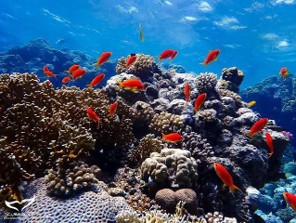
South Korea’s colourful soft-coral ecosystems around Jeju Island are facing increasing environmental stress as seawater temperatures rise and extreme weather becomes more frequent. Scientists have documented a phenomenon known as “slumping”, in which soft corals lose their structure, droop and eventually disintegrate. A 2026 study linked a major 2024 event to unusually warm water combined with prolonged low-salinity conditions.
Unlike hard corals, soft corals rely on internal fluid pressure to maintain their shape, making them particularly sensitive to changes in temperature and salinity. Researchers and divers have reported renewed deterioration around Jeju in 2026, raising concerns about the ecosystem’s future.
Jeju’s soft-coral gardens provide habitat and nursery grounds for marine organisms and support local fisheries. Scientists say continued monitoring is essential to determine how warming seas, heavy rainfall, changing salinity and other human pressures interact. The findings highlight how climate change can affect even coral communities outside traditional tropical reef regions.